
Floor Coverings That Fix Common Design Mistakes
Introduction
One of the most common things we hear in the showroom is:
“I just don’t want to get this wrong.”
It’s understandable. Flooring is a big decision. It’s not something you change on a whim and when it’s down, you live with it every single day. The truth is, most flooring regrets don’t come from choosing a “bad” product, they come from small design mistakes that only become obvious once the room is back in use.
Here are the ones we see most often and how the right floor covering can quietly fix them.
Making a small room feel smaller
Dark floors add warmth to a compact room, making them feel cosy. Lighter wood tones, soft greys and gentle neutrals do the opposite. They bounce light around and help a room feel more open. This is especially noticeable in hallways, box bedrooms and smaller living rooms where every bit of light counts.
Choosing a floor that shows every mark
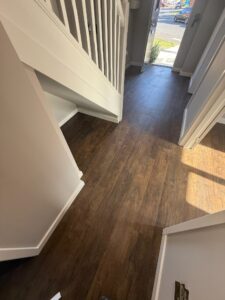
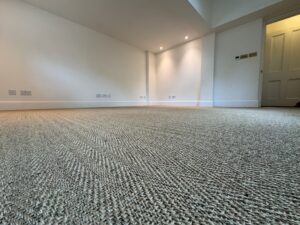
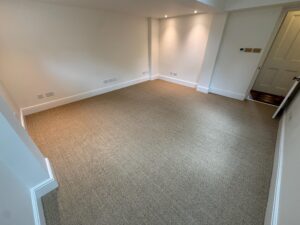
Mid-tones and textured designs can be forgiving when it comes to showing marks of ‘life’. A flecked wool carpet, a heathered twist pile, or wood-effect flooring with natural variation will hide everyday life far better in high traffic areas.
This is often the difference between a floor you enjoy and one you feel you’re constantly cleaning up.
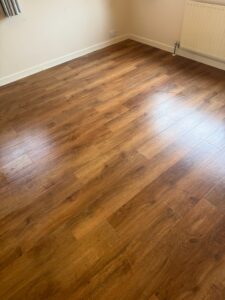
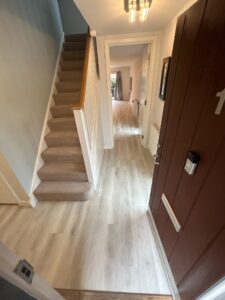
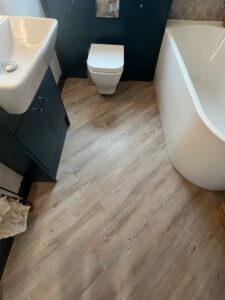
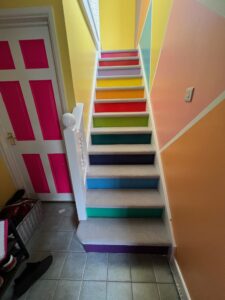
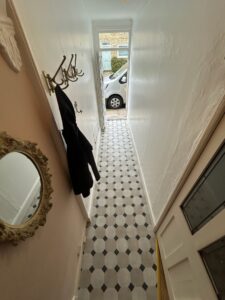
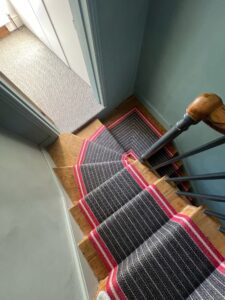
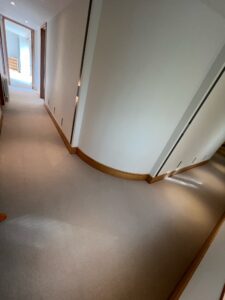
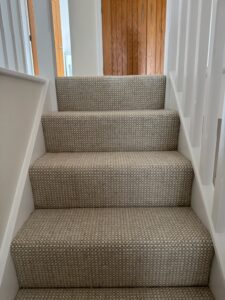
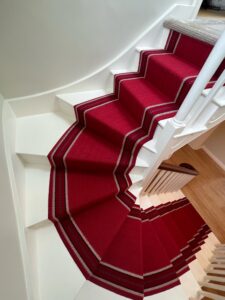
Take a look at our real homes in real life





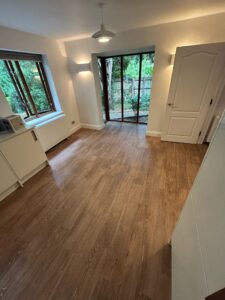
Running the same flooring everywhere
Kitchens, hallways, lounges and bedrooms all work differently and you might want to consider flooring that reflects that.
Hard-wearing, easy-clean surfaces make sense in entrances and kitchens. Softer, warmer options feel better in bedrooms and living spaces. Stairs benefit from something with grip and durability.
When each space has the right flooring for how it’s used, the whole house feels more comfortable and manageable.
Flooring design over practical real life
A floor needs to suit the way you actually live however, it doesn’t mean you have to sacrifice design choice over practicality. You may consider choosing a practical LVT in a kitchen instead of real wood, or a durable wool carpet in a lounge instead of something more delicate.
The best choice is usually the one that requires the least maintenance.
Ignoring how pattern changes the feel of a room
Patterns are powerful. In the wrong place, it can feel busy and overwhelming. In the right place, it adds interest and direction.
Large open areas often benefit from layout patterns like parquet or herringbone to assist dimensionality to the space. Smaller rooms tend to suit subtler textures that create calm rather than distraction.
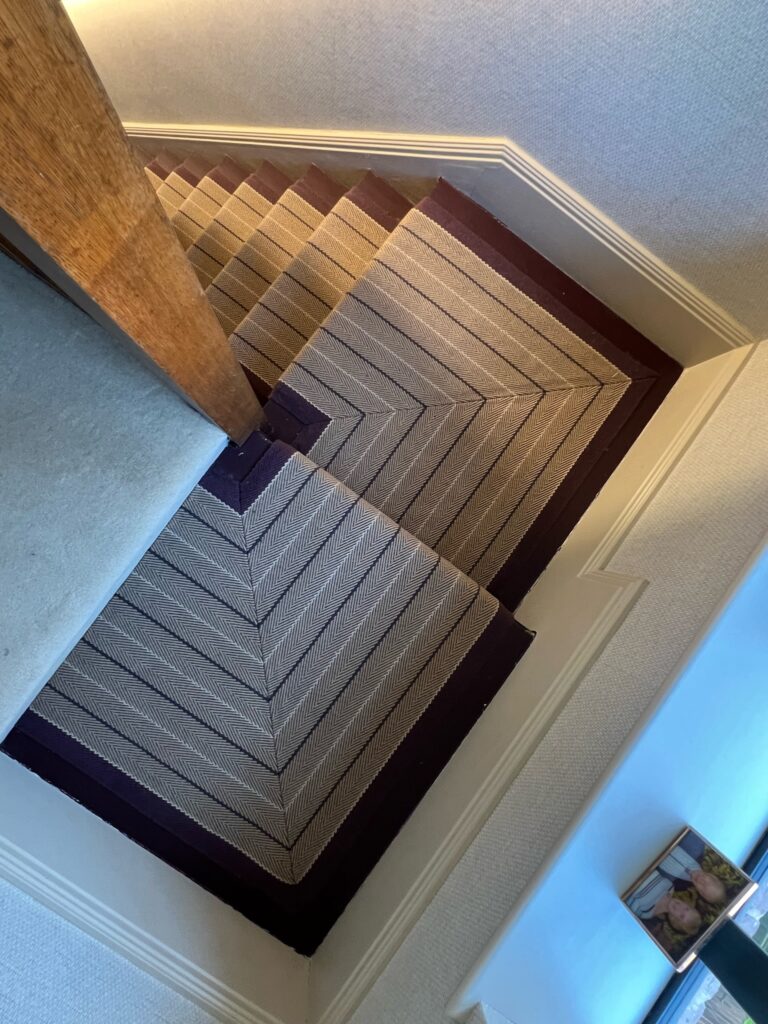
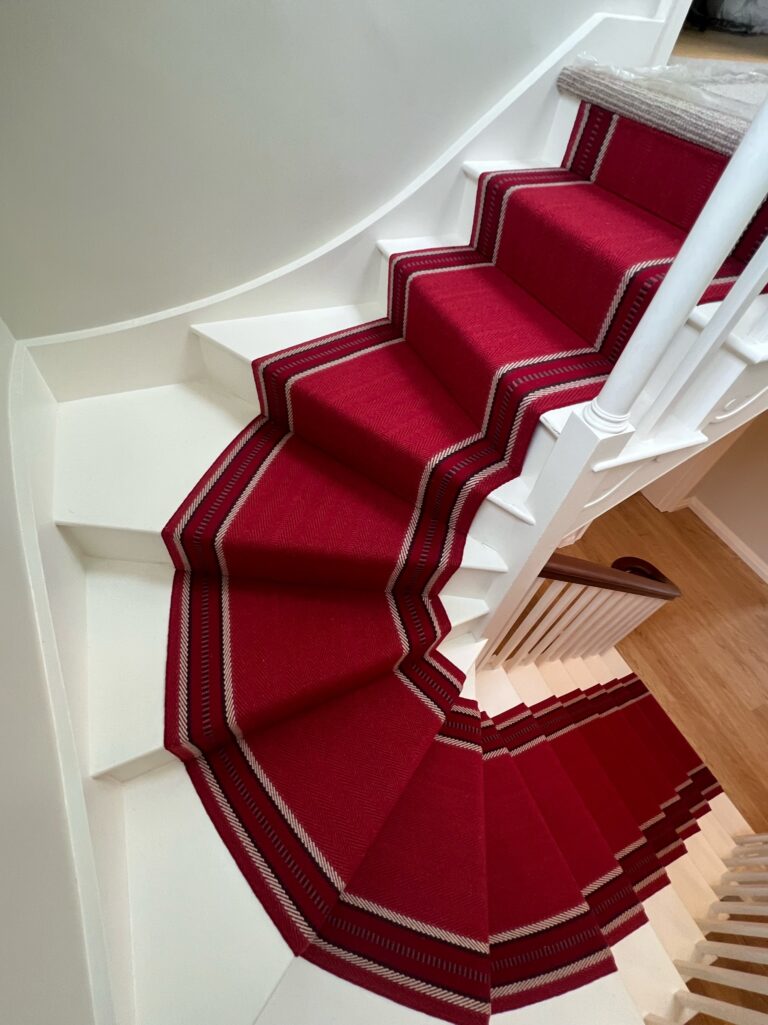
On stairs, a runner not only protects the treads but adds grip and turns a practical area into a feature.
Design-led LVT manufacturers like Amtico and Karndean offer classic patterns that bring interest without overwhelming a room, making them a popular choice for both modern and traditional homes.
Forgetting that flooring affects how a room feels
Flooring isn’t just visual. It affects warmth, sound and comfort underfoot.
Soft carpet absorbs noise and adds warmth to bedrooms and lounges. Resilient flooring feels quieter and more comfortable than tile in busy areas. Choosing the right underlay is also very important as this will have a direct impact on warmth and feel underfoot. These details change how a room feels to spend time in, not just how it looks.
A simple way to avoid getting it wrong
Before deciding, it helps to step back and ask:
- How is this room used every day?
- Will this still look good when it’s lived on, not just looked at?
- Do I want this floor to stand out or sit quietly in the background?
Most of the time, the right answer becomes obvious when you think about living with the floor, not just looking at it.
Good flooring doesn’t shout for attention. It just works and keeps working long after it’s been fitted. Still confused? Let our experts talk you through it. Our showroom is open 9-5pm, Monday- Saturday. Alternatively you can call or email us, if you have any questions; 01233 233233, email info@floor-coverings.net.
Floor Coverings -We’ve Got You Covered